Essential Survival Gear Every Hiker Should Carry To Stay Safe Anywhere
Author:Mike Fakunle
|
Released:December 1, 2025
Essential survival gear every hiker should carry is not about extreme adventures. It is about staying safe when simple hikes turn unexpected. Weather shifts, wrong turns, injuries, or delays can happen to anyone, even on familiar trails.
Many hikers prepare for comfort but forget survival basics. A phone battery dies, water runs out, or darkness arrives early. The right survival gear fills those gaps and keeps small problems from becoming dangerous situations.
Why Essential Survival Gear Matters On Every Hike
Essential survival gear every hiker should carry exists because hiking rarely goes exactly as planned. Trails change, signs disappear, and weather forecasts can be wrong.
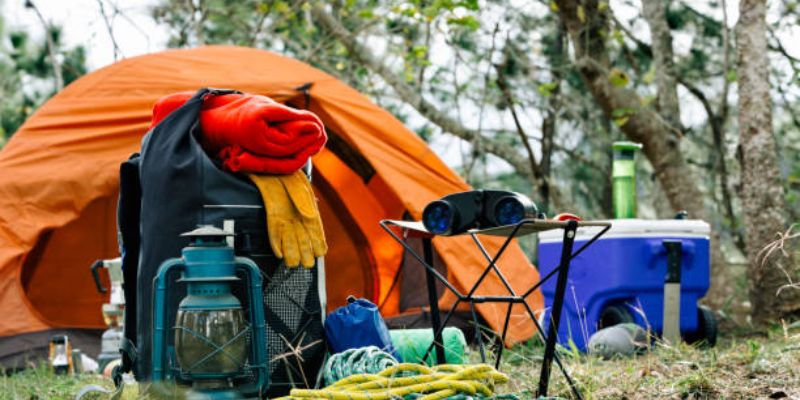
Minor issues like twisted ankles or missed trail junctions become serious without the right gear. Survival equipment gives time, warmth, hydration, and visibility, which are often the difference between inconvenience and emergency.
How Essential Survival Gear Is Chosen
Essential survival gear every hiker should carry is based on real rescue scenarios, not trends. Most emergencies involve navigation mistakes, exposure, dehydration, or injuries.
The best gear is lightweight, reliable, and serves more than one purpose. Beginners often skip these items because they feel unnecessary until the moment they are needed.
Navigation Tools Every Hiker Should Carry
Essential survival gear every hiker should always carry includes navigation backups. Phones fail, signals disappear, and batteries drain faster in cold weather.
Physical Maps And Backup Direction Tools
A printed map does not lose power or signal. When paired with basic route awareness, it allows hikers to orient themselves even when trails fade or landmarks look unfamiliar.
Compass Use When GPS Stops Working
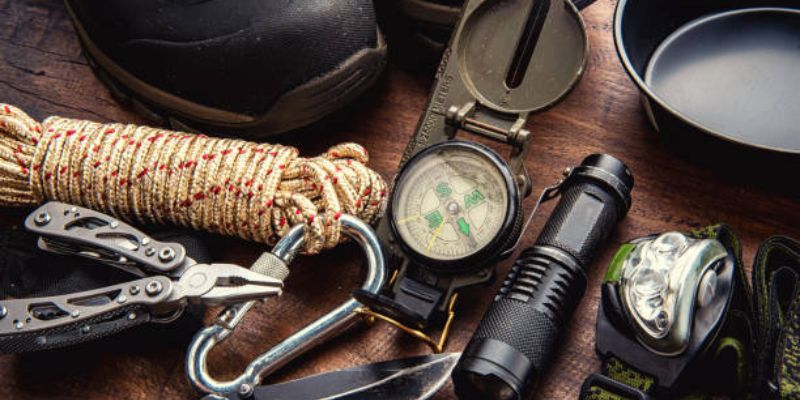
A simple compass helps confirm direction and prevents wandering deeper into unknown terrain. Even basic compass knowledge reduces panic during navigation mistakes.
Redundant Navigation Options
Navigation works best when layered. Maps, a compass, and digital tools together reduce risk and improve confidence during poor visibility or trail confusion.
Emergency Communication And Signaling Gear
Essential survival gear every hiker should carry includes ways to be seen or heard. Rescue often depends on visibility and sound rather than distance traveled.
Whistles For Short-Range Rescue
A whistle travels farther than shouting and saves energy. Three sharp blasts are widely recognized as a distress signal in outdoor emergencies.
Headlamps And Light Signaling
A headlamp allows hands-free movement after dark and makes hikers visible from a distance. Light signaling often draws attention faster than sound.
Satellite Communication Devices
In remote areas, satellite-based communication can transmit location when cell networks fail. Information shared through outdoor safety programs supported by national park safety guidance often highlights these tools as life-saving in backcountry rescues.
Fire And Warmth Survival Gear
Essential survival gear every hiker should carry must protect against cold, even in mild climates. Exposure remains a leading cause of outdoor emergencies.
Reliable Fire Starters
Windproof and waterproof fire starters work when matches fail. Fire provides warmth, light, morale, and a signaling tool in emergencies.
Emergency Blankets And Heat Retention
Emergency blankets trap body heat and reduce wind exposure. They are lightweight and effective during unexpected stops or overnight delays.
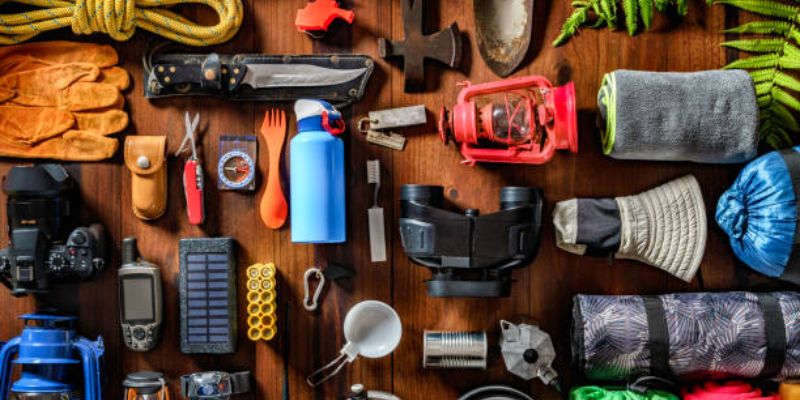
Extra Insulation Layers
An additional insulating layer prevents heat loss when movement slows. Cold can set in quickly after injuries or navigation delays.
Water Survival Gear Every Hiker Needs
Essential survival gear every hiker should carry always includes water management. Dehydration reduces judgment and physical ability.
Carried Water Versus Found Water
Carried water covers known distances, but emergencies often extend hikes. Planning for additional water sources is critical.
Water Filtration And Purification
Portable filters and purification tablets allow safe drinking from natural sources. Water safety research shared through public health education at disease prevention resources consistently emphasizes treating unknown water sources.
Emergency Water Containers
Collapsible containers allow extra storage without added bulk and support hydration during extended delays.
Survival Food And Energy Essentials
Essential survival gear every hiker should carry includes emergency calories. Food supports energy, warmth, and clear thinking.
High-Calorie Emergency Foods
Compact foods with high calorie density provide quick energy without cooking. These foods are designed to last through temperature changes.
Shelf-Stable Food Choices
Foods that resist melting, freezing, or spoilage work best for emergencies and unpredictable conditions.
How Much Emergency Food Is Enough
Emergency food should cover at least one extra day beyond the planned hiking time to account for delays.
First Aid And Injury Management Gear
Essential survival gear every hiker should carry addresses the most common trail injuries.
Core First Aid Supplies
Bandages, antiseptics, and pain relief manage cuts, sprains, and minor trauma until help arrives.
Blister And Foot Care
Foot injuries end hikes quickly. Proper blister treatment prevents infections and allows safer movement.
Personal Medical Needs
Medications and allergy treatments must always be accessible. Delays without them can become life-threatening.
Shelter And Weather Protection
Essential survival gear every hiker should carry includes protection from rain, wind, and sun.
Emergency Shelters And Bivvy Sacks
Lightweight shelters block wind and rain when hikers cannot continue moving.
Multi-Use Tarps And Ponchos
Tarps and ponchos provide rain protection, ground cover, or makeshift shelters during storms.
Sun And Wind Protection
Hats, sunscreen, and wind layers prevent heat exhaustion and cold stress across changing conditions.
Tools And Repair Gear For Survival
Essential survival gear every hiker should carry includes basic tools for unexpected failures.
Knives And Multi-Tools
Cutting tools support food preparation, repairs, and first aid tasks.
Gear Repair Essentials
Small repair items fix broken straps, torn packs, or footwear failures that could halt progress.
Cordage And Tape Uses
Cord and tape secure shelters, splints, and gear repairs in countless emergency situations.
Clothing As Survival Gear
Essential survival gear every hiker should carry includes clothing choices that protect the body.
Why Fabric Choice Matters
Moisture-wicking materials maintain warmth when wet. Cotton traps moisture and increases cold risk.
Layering For Temperature Control
Layering allows hikers to adjust insulation based on activity and weather shifts.
Spare Socks And Gloves
Dry hands and feet prevent heat loss and maintain dexterity during cold or wet conditions.
Packing Essential Survival Gear Efficiently
Essential survival gear every hiker should carry must be packed for access, not buried.
Balancing Weight And Safety
Lightweight gear reduces fatigue while maintaining protection. Safety should never be sacrificed to save minor weight.
Gear Placement In The Pack
Emergency items belong near the top for fast access during sudden situations.
Adjusting Gear By Terrain And Weather
Gear choices change with season, elevation, and remoteness, not just distance.
Essential Survival Gear Every Hiker Should Carry On Every Trip
Essential survival gear every hiker should carry remains consistent regardless of experience level. Navigation tools, water treatment, insulation, first aid, signaling devices, and emergency shelter form the core of trail safety.
Rescue data referenced through coordinated search efforts supported by outdoor rescue coordination repeatedly shows that preparedness reduces injury severity and rescue time. Carrying survival gear turns uncertainty into manageable challenges and keeps hikes safe from start to finish.
Sources
Related Posts
Outdoor Gear
Backpacking Sleeping Bags for Warmth and Weight Savings
Outdoor Gear
Hiking Tech Safety Gear: Top Smart Devices Reviewed
Guides and Tips
Top Hiking GPS Devices for Navigation That Actually Work on Real Trails

Activities
How To Make Hiking More Enjoyable For Beginners In 10 Simple Ways
Guides and Tips
Sunscreen While Hiking: The Right Way to Protect Your Skin Outdoors

Guides and Tips